Arbitration Council in Kamalia Receives Around 50 Cases Monthly as Reconciliation Efforts Face Challenges
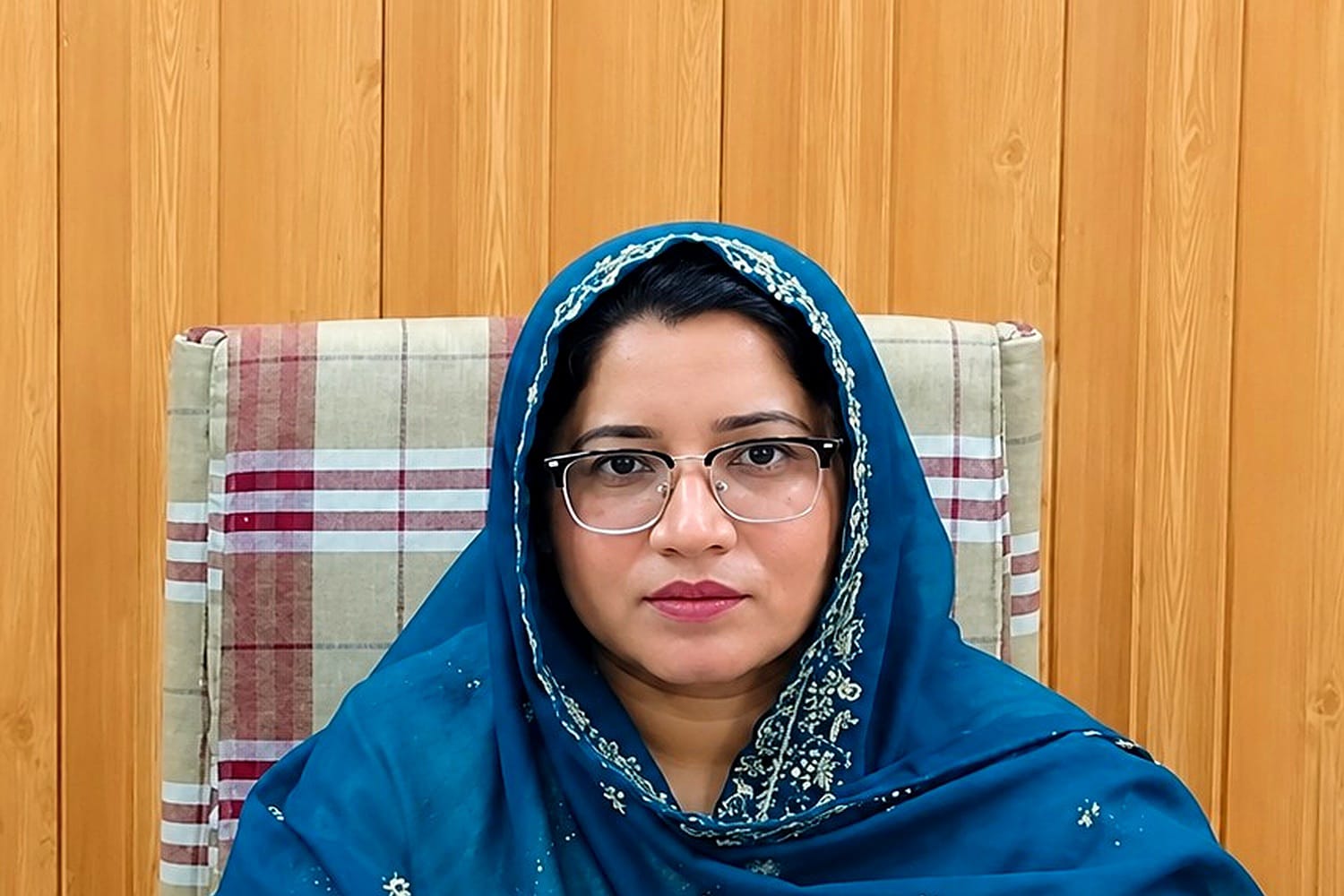
(By: Bushra Chadhar, Chairman Arbitration Council, Tehsil Kamalia)
KAMALIA: The rising number of divorce cases in Pakistan has raised concerns about family stability, marital relationships and the social challenges facing married couples. The growing number of disputes has highlighted the need for greater awareness, effective mediation and improved communication between spouses.
Bushra Chadhar, Chairman of the Arbitration Council in Tehsil Kamalia, expressed concern over the trend, stating that the council receives matrimonial dispute and divorce-related cases regularly. However, efforts to reconcile estranged couples often produce limited results.
According to Chadhar, the Arbitration Council receives approximately 50 cases every month, but only a small number result in reconciliation. Most cases ultimately end in separation, highlighting the challenges involved in resolving marital disputes.
Rising Divorce Rate Raises Concerns About Family Stability
Marriage forms the foundation of family life and plays an important role in social stability. However, unresolved disagreements, communication gaps and persistent conflicts can place considerable pressure on marital relationships.
When couples struggle to address their differences constructively, minor disagreements may develop into serious disputes. Without timely intervention and mutual understanding, these conflicts can eventually lead to separation.
The increasing number of cases reported to the Arbitration Council in Kamalia highlights the importance of examining the circumstances behind marital disputes and improving access to appropriate counselling and mediation.
Children Often Face the Consequences of Divorce
The effects of divorce can extend beyond the spouses, particularly when children are involved. Parental separation may create emotional stress and disrupt children’s sense of security, daily routines and educational progress.
Divorce can also introduce financial pressures and additional responsibilities for both parents. The extent of these effects varies according to family circumstances, the level of conflict and the support available to children.
Experts and community representatives can help families navigate these challenges by encouraging responsible parenting, reducing conflict and prioritising children’s welfare during difficult transitions.
Communication and Mutual Respect Can Help Resolve Disputes
Greater tolerance, patience, understanding and mutual respect can help couples manage disagreements before they become difficult to resolve. Open communication allows spouses to express their concerns, understand each other’s perspectives and explore practical solutions.
Parents and family elders can also play a constructive role by encouraging calm discussion and fair resolution rather than allowing misunderstandings to escalate. Religious scholars, social workers and civil society organisations can contribute by promoting compassion, responsibility and respect within family relationships.
However, reconciliation should not be pursued at the expense of personal safety. Cases involving domestic violence, abuse, coercion or serious threats require appropriate protection and professional support. Preserving a marriage must never mean compelling someone to remain in an unsafe relationship.
Arbitration Councils Can Support Reconciliation
The Arbitration Council and other relevant institutions can help couples explore possible solutions through timely mediation and structured dialogue, where appropriate.
Early intervention may give spouses an opportunity to address misunderstandings before disputes become more entrenched. Access to qualified counsellors and legal guidance can also help individuals understand their options and make informed decisions.
Improving awareness of available support services and encouraging responsible dispute resolution could help families navigate marital difficulties more effectively.
Collective Efforts Needed to Strengthen Families
The reported number of divorce-related cases in Kamalia highlights a social concern that deserves careful attention. Addressing marital disputes requires cooperation among couples, families, community leaders and relevant institutions.
Strengthening family relationships depends on communication, mutual respect, shared responsibility and access to appropriate support. At the same time, society must recognise that every marriage has its own circumstances and that separation may sometimes be necessary.
A healthy society benefits from stable, supportive family relationships. Promoting understanding, protecting vulnerable family members and ensuring fair access to mediation and counselling can help address marital challenges while respecting the dignity and rights of both spouses.